STORIES.
Thinking out loud, asking harder questions, and following the people doing the work.
25 stories
Maybe AI should make the spreadsheet, not the record
The most liberating creative tool may be the one that handles administration while people make the work.
Creative job-loss data needs context
Forecasts about creative work deserve careful reading before they become headlines about inevitability.

The local mural cannot be generated into existence
An image can propose a wall. A mural is an agreement with a place and the people who live there.
Before you replace the editor
An editor is not a grammar button. The most valuable work is often the question a draft does not want to hear.

The ceramics studio as an AI lesson
Tools can suggest a form; clay, hands, and heat decide what survives.
Why a synthetic voice needs permission
A voice is not just an audio texture. It can carry a person’s identity into words they never chose.
The catalog is a human archive
Songs and recordings hold decisions, relationships, places, and imperfect performances that a recommendation engine cannot summarize.

A better brief for independent designers
If an artist can only afford one design commission, make it the part that can carry the whole campaign.

Is a prompt a commission?
Giving instructions to a model and hiring an artist may share the language of a brief, but they are not the same relationship.
What should never be automated on a live stage?
Automation can run cues and support access. It should not replace the responsiveness that makes a performance live.
The impossible job description of a modern artist
The demand to make, promote, document, distribute, and analyze everything was unreasonable before generative AI arrived.
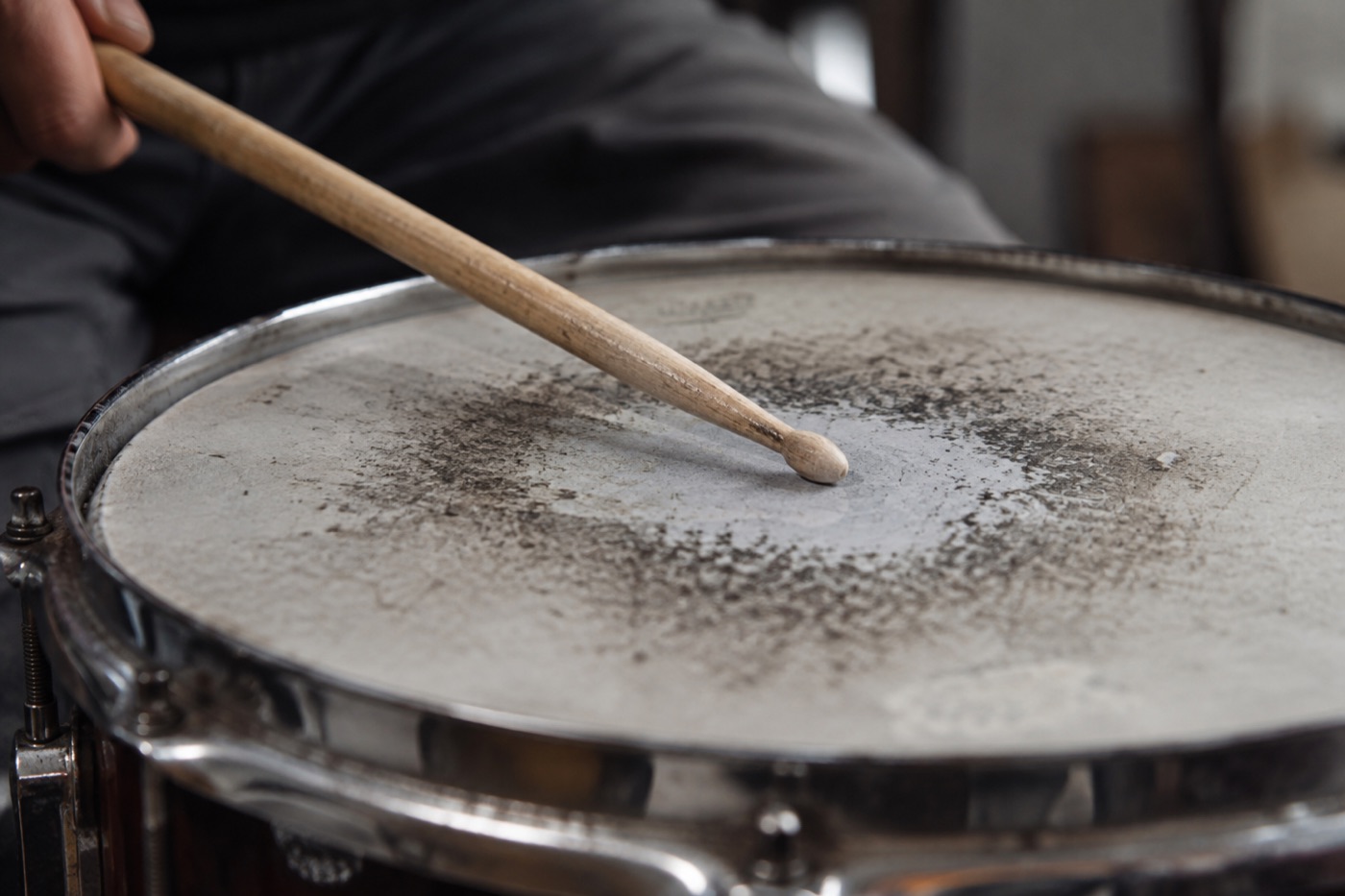
A better test for AI music claims
Before declaring that a tool has replaced a musician, ask what it actually produced and what the comparison leaves out.

Provenance matters more than purity
A better question than “Was AI involved?” is “How was this made, by whom, and with whose permission?”
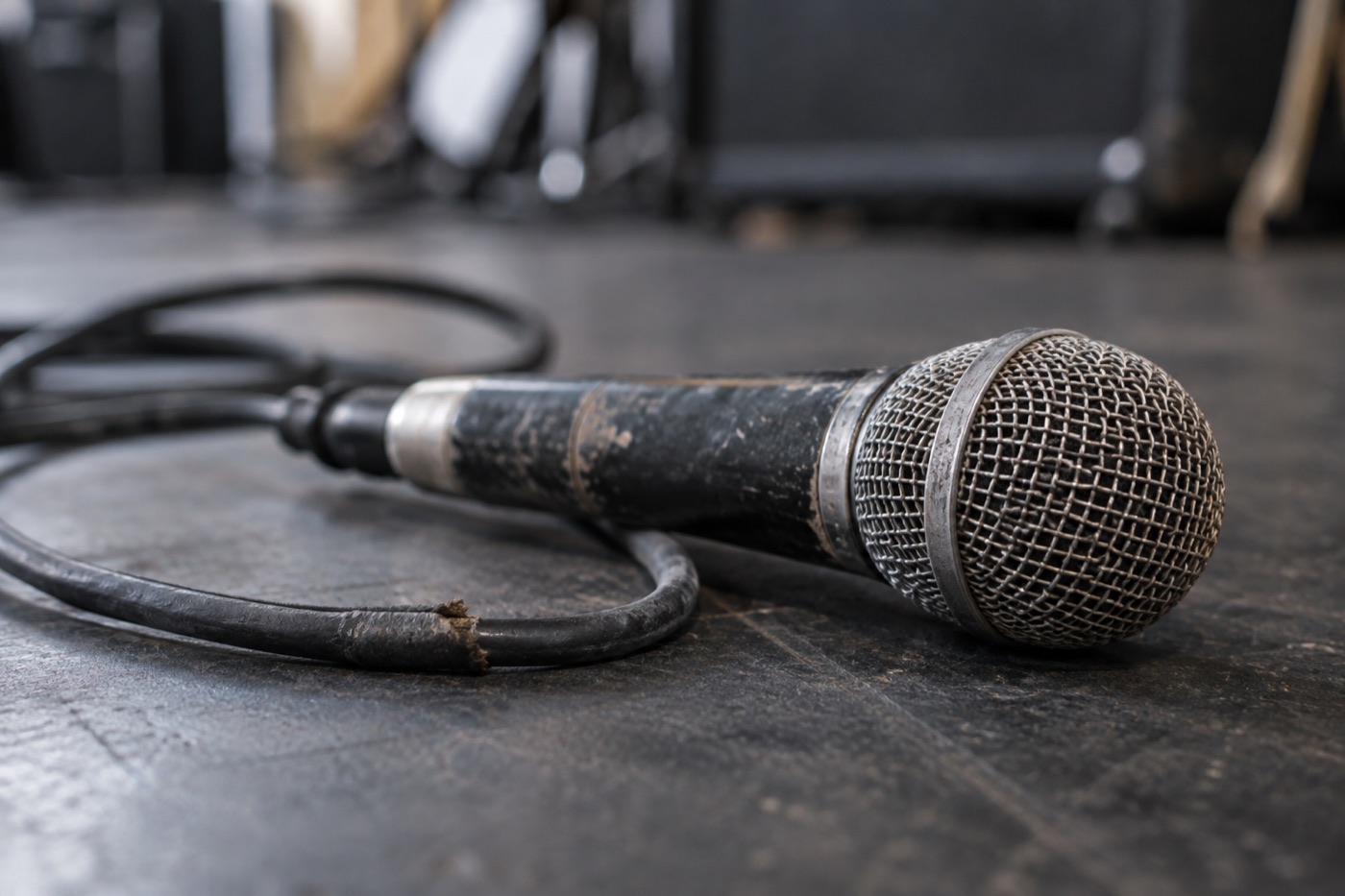
AI can tidy a transcript. It cannot perform the interview.
Editorial automation can remove clerical work, but it cannot stand in for questions, listening, verification, and accountability.
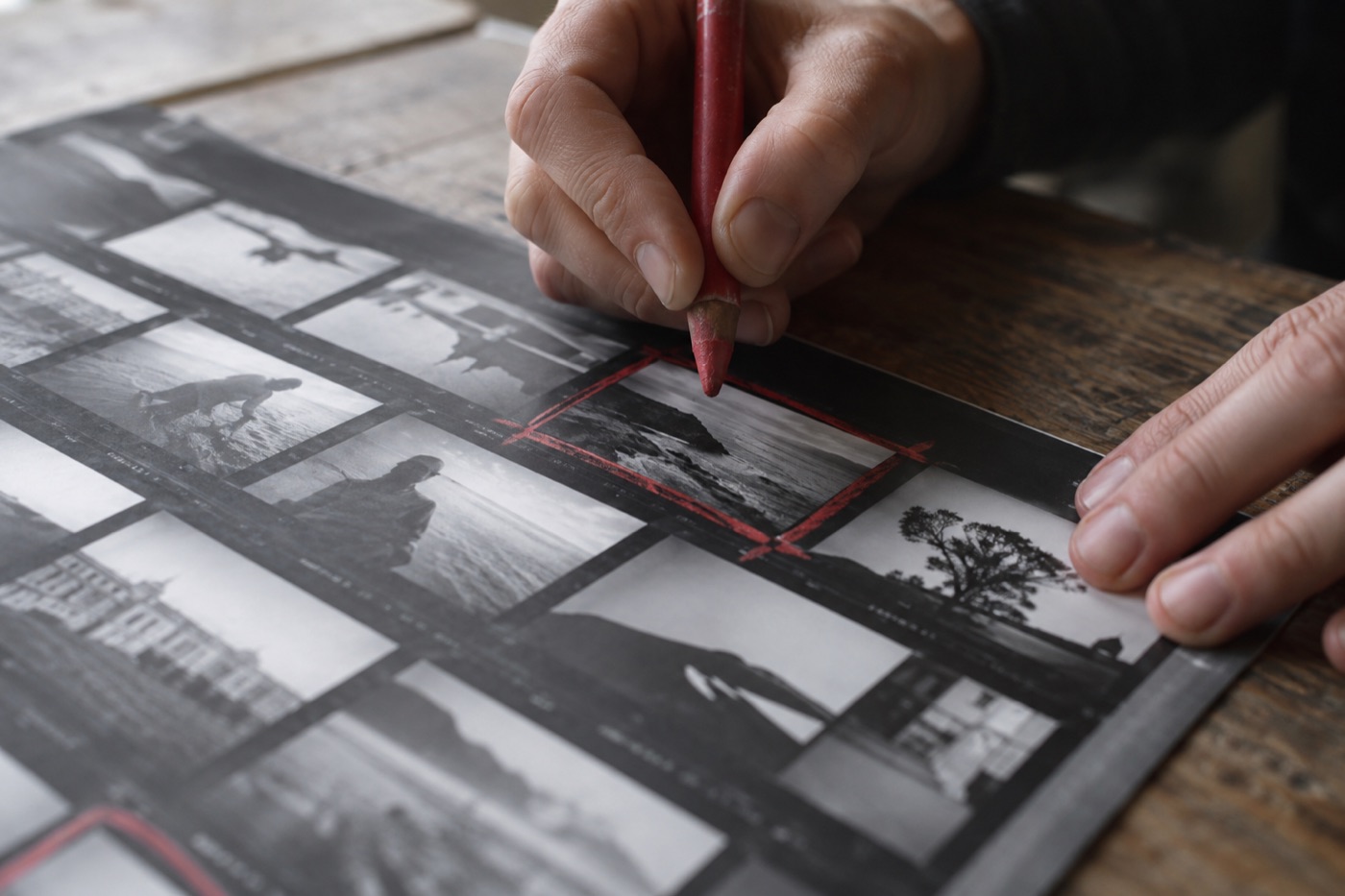
The photographer’s eye is not in the camera
Automation can accelerate editing. It cannot decide why this moment, this person, and this frame matter.
Creative consent is not a checkbox
A voice, a likeness, a catalog, and a style involve different kinds of permission. One generic opt-in cannot settle them all.
What a useful AI disclosure actually says
A vague “AI used” label tells people less than a clear account of what the person and the tool each did.
The real cost of infinite content
Cheap production does not create more audience attention. It can make the pressure to post even harder to escape.
When background music gets cheap, who gets paid?
Generated cues can solve a video maker’s budget problem while shrinking a composer’s market. Both sides belong in the story.
Small artists cannot buy every asset. That does not erase designers.
The economics of DIY promotion require a more honest conversation than either “never use AI” or “design is solved.”
The session musician nobody budgets for
Convenient generated parts can erase an invisible line of work. The question is where collaboration still earns its place.
A synthetic artist is not an assisted artist
A human songwriter using software for support is not the same proposition as a fictional performer built to compete for attention.
An AI cover does not write the song
Judging an entire record by a promotional image confuses the artwork around a release with the human labor inside it.
The artist was never supposed to be a marketing department
The creative economy keeps asking makers to become full-time content teams. AI can help with that burden without taking over the work that matters.
Why UNHYP exists.
Our opening note on cutting through AI hype and keeping human creativity central.
No stories match that search. Try another word or topic.