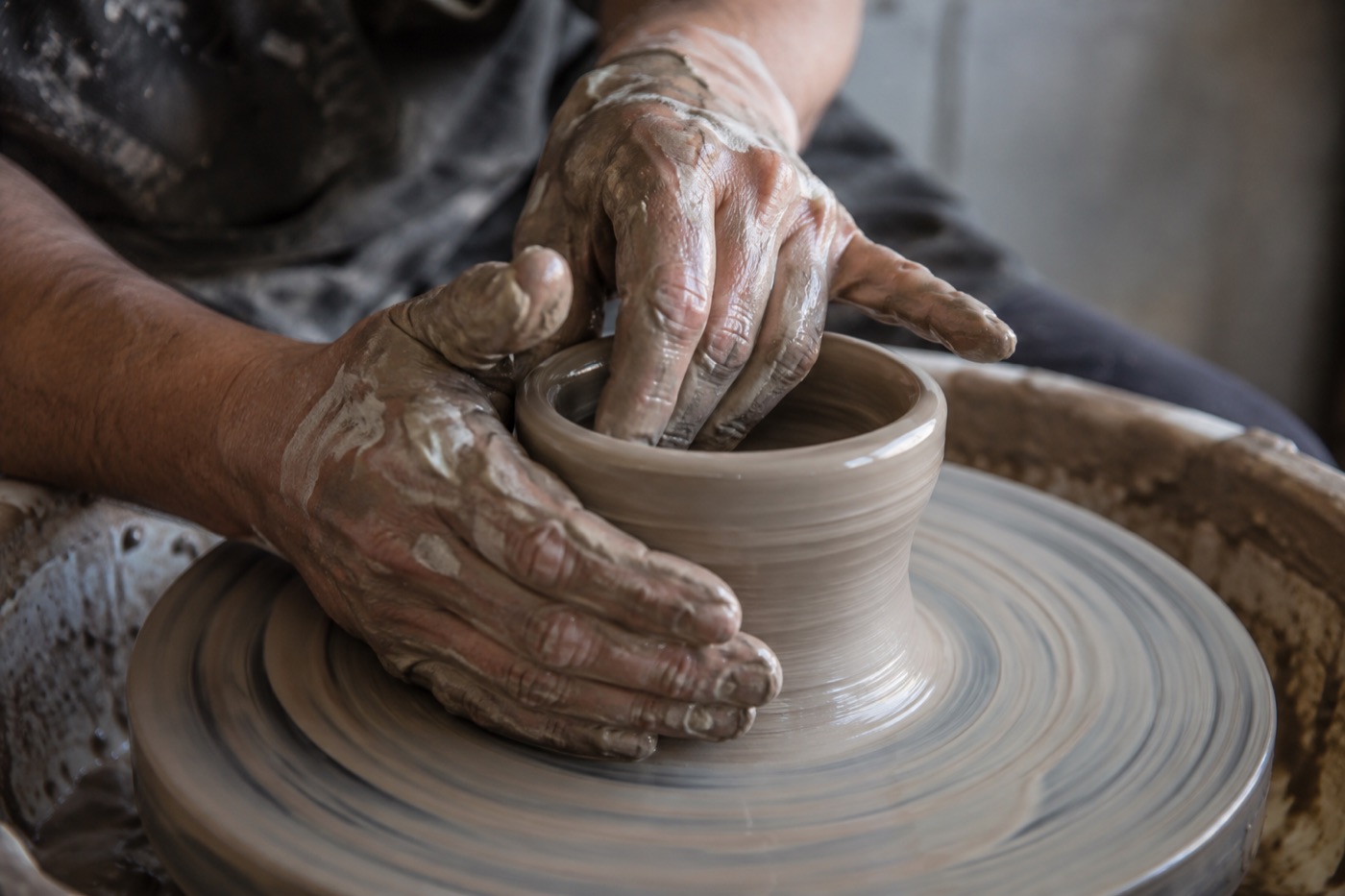
A purity test sounds simple: divide work into human and AI categories. Real creative processes are not that neat. A ceramicist can sketch a form on a tablet, use software to plan a glaze, and still spend days centering clay, firing a kiln, and accepting the unpredictable result. A producer can use machine-assisted cleanup without surrendering the performance. A writer can use a grammar checker and still own every argument.
The question is not whether a tool touched the process. It is where the expressive choices came from and whether the process respected other people. Did someone knowingly imitate a living performer’s voice? Did a publisher imply that a generated photograph documents an event? Was a collaborator’s paid contribution removed from the credits? Those are concrete questions that a blanket label can obscure.
Provenance is a practical record: who created, recorded, selected, edited, licensed, and approved each material part. It need not become an exhausting technical diary. It should be detailed enough that audiences and collaborators are not misled about the work they are encountering.
This standard makes room for experimentation and criticism at the same time. It avoids treating every tool user as a fraud, while giving us sharper language for cases where consent or honesty really has been compromised.
This is perspective, not a reported interview. AI-assisted drafting and original generated editorial artwork were reviewed for publication; the artwork does not depict a documented event.