
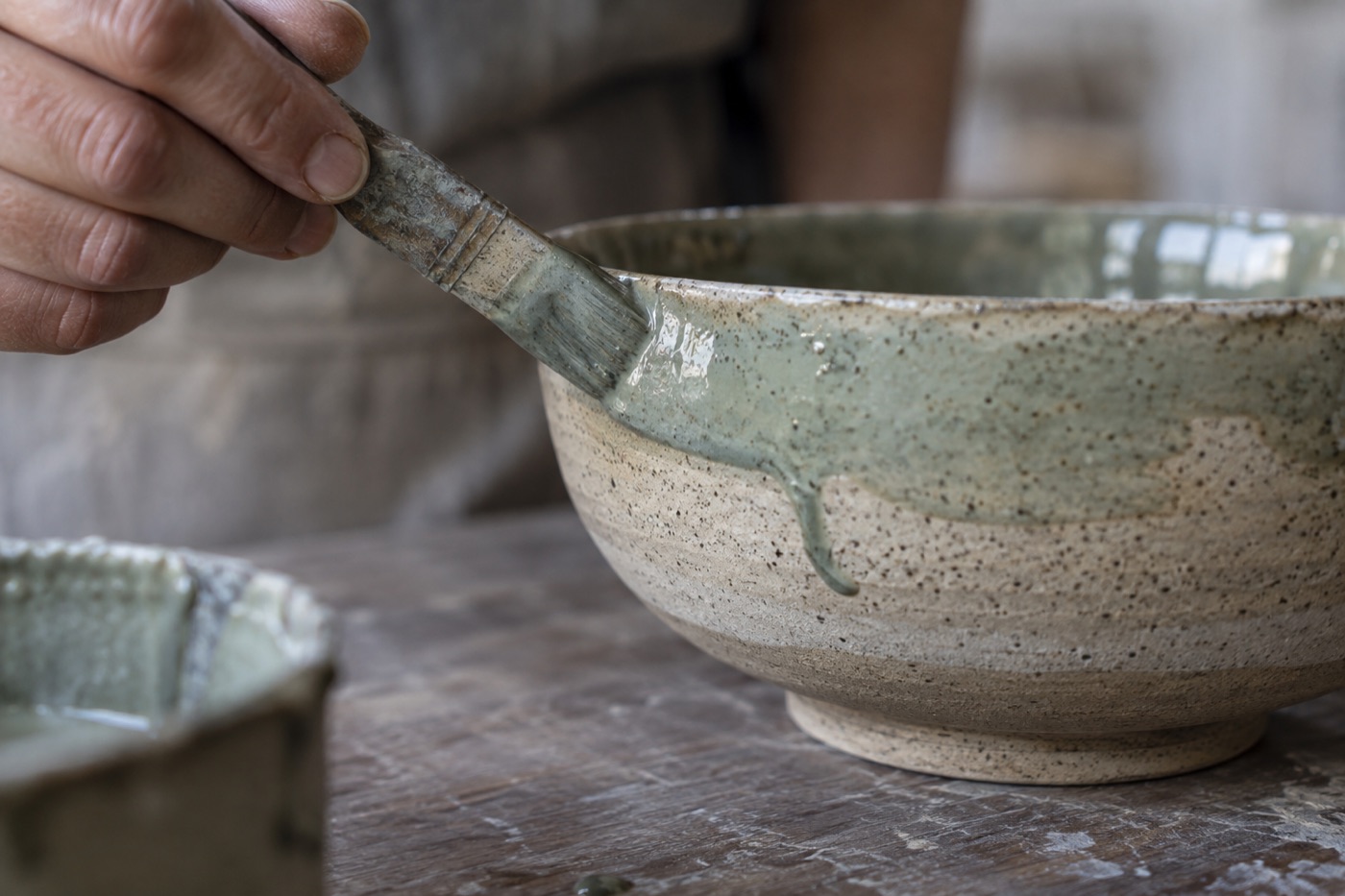
A ceramicist can plan a vessel with a sketch, a 3D model, or a generated reference. None of those plans centers wet clay. The material pushes back. It sags, dries unevenly, cracks, and changes in the kiln. Making the object means responding to conditions that cannot be fully specified in advance.
This is not an argument that physical craft is pure while digital work is false. Digital artists also meet resistance: technical constraints, collaborators, audiences, and the limits of their own first idea. The ceramics studio is simply a clear reminder that a finished thing is not the same as a convincing proposal for a thing.
AI is useful when it widens options before the work begins or reduces administration afterward. It is less useful when it encourages us to mistake an image of a vessel for a vessel, or a description of a process for experience with the material. The maker’s knowledge lives partly in decisions made while the work refuses to cooperate.
A culture that values only the polished result may miss that knowledge. If AI helps us make room for more encounters with real materials, it has served craft. If it teaches us to skip them, it has changed the subject.
This is perspective, not a reported interview. AI-assisted drafting and original generated editorial artwork were reviewed for publication; the artwork does not depict a documented event.