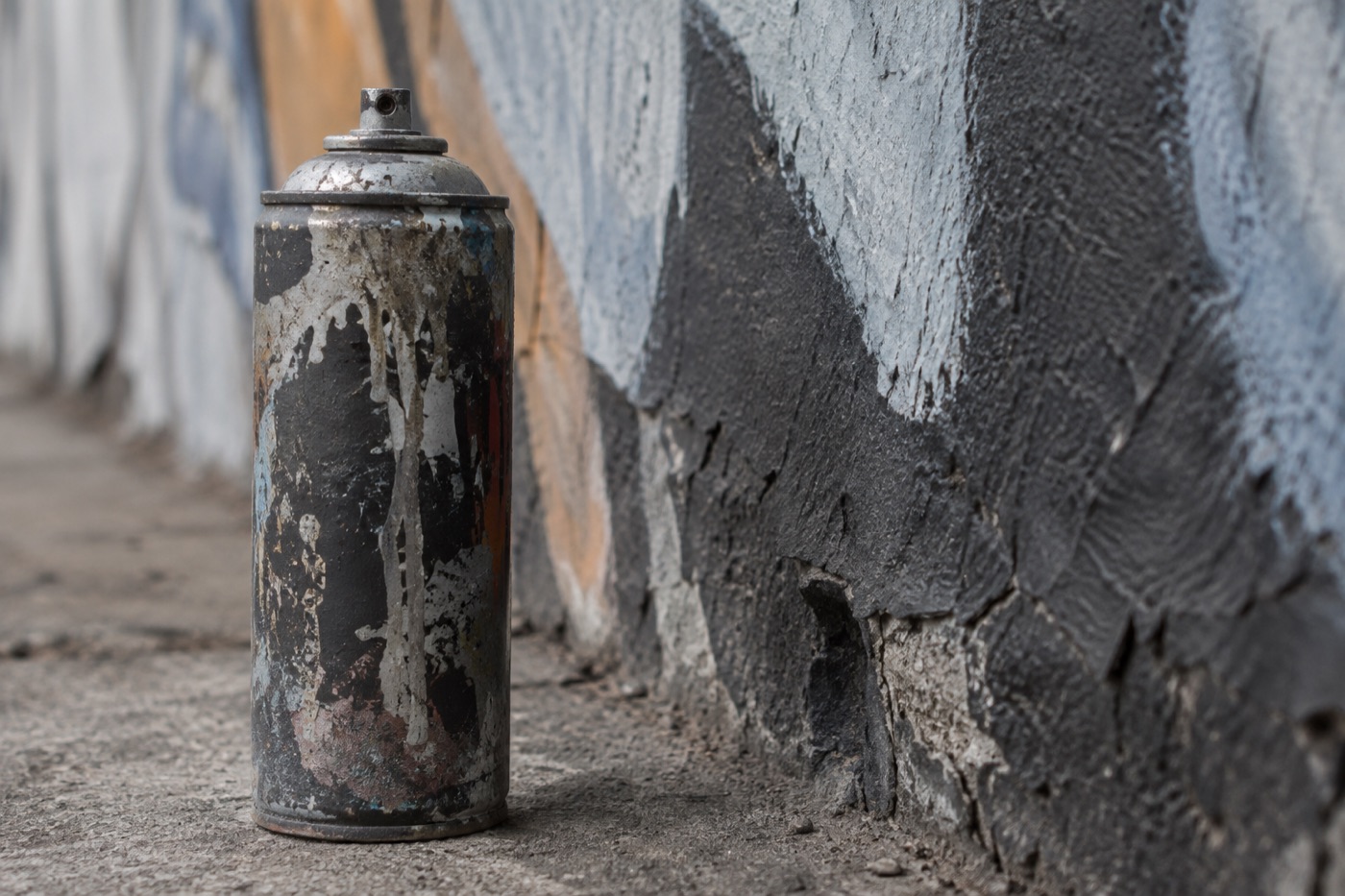
A generated mural concept can be beautiful on a screen. Painting a wall requires a different set of relationships: permission from its owner, attention to its neighborhood, materials that survive weather, safe access, and a person willing to return when the work needs repair. The physical act is not merely a slower way to produce pixels.
Public art also invites people into the process. Neighbors may argue about imagery, history, and whose story is being represented. A muralist can listen, revise, and stand behind a decision. A generated concept may help start that conversation, but it cannot conduct it or accept responsibility for the result.
This does not mean artists should refuse digital tools. Mockups can test scale and color before anyone buys paint. Translation and scheduling tools can make participation easier. The useful boundary is that the tool supports the commission while the people involved retain authority over the wall.
The point of a local mural is not only what it looks like. It is that somebody made it there, with others, under real conditions. That connection is part of the artwork.
This is perspective, not a reported interview. AI-assisted drafting and original generated editorial artwork were reviewed for publication; the artwork does not depict a documented event.