
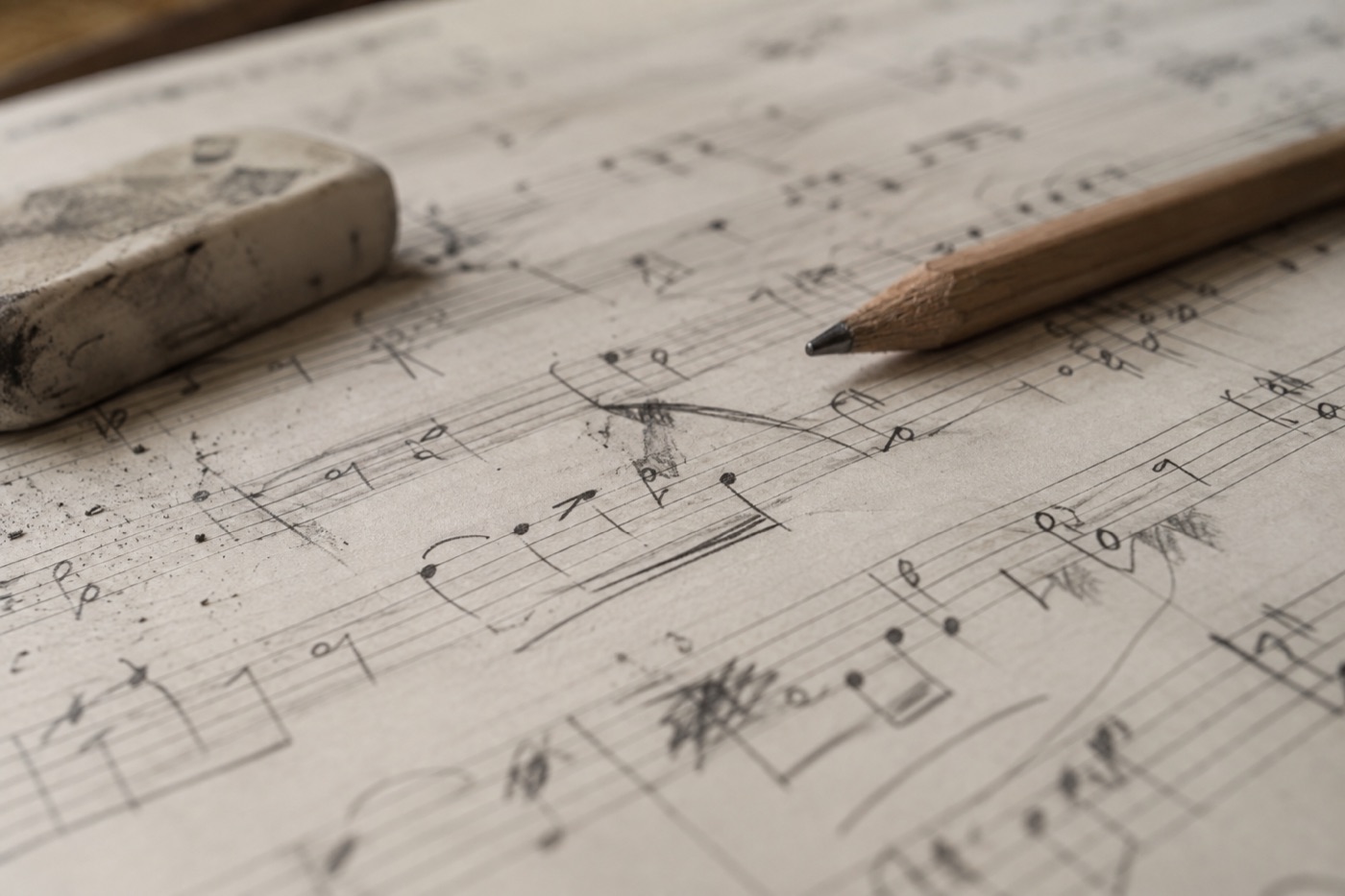
A music catalog is often treated as inventory: tracks, artwork, dates, rights, and identifiers. Those fields matter, but they are only the index. Behind each recording are choices made by people at a particular time. A changed lyric, a borrowed room, a performer who arrived late and altered the arrangement—these details are part of the cultural record even when the metadata has no column for them.
AI can help make a catalog more navigable. It can transcribe interviews, connect credits, flag inconsistent titles, or help a listener find a song by description. That is valuable archival work. But generating new tracks merely to fill categories does not preserve the history that made the catalog worth exploring.
The same principle applies beyond music. A photograph archive needs dates and subjects; a ceramics archive needs material and firing notes; a theater archive needs cast and venue records. Better tools can surface human provenance rather than replace it with plausible synthetic stories.
Before asking how much content a system can produce, ask how much existing creative history we have failed to document. The archive is one place where automation could serve the human work instead of competing with it.
This is perspective, not a reported interview. AI-assisted drafting and original generated editorial artwork were reviewed for publication; the artwork does not depict a documented event.