“Almost free” describes the price a customer sees, not the whole production chain. Servers, model development, source material, human labeling, curation, art direction, and finishing all have costs. Some are paid upfront, some are shifted to workers with weaker bargaining power, and some remain contested. A cheap output can be useful while still inviting questions about how its price became possible.
We should resist two easy stories. One says every generated image steals a commission that would otherwise have existed. The other says no artist is harmed because the customer was never going to hire anyone. Both can be true in some cases and false in others. The market needs more specific evidence about actual budgets, displaced work, new work, and negotiated licenses.
For a creator buying imagery, a fair choice begins with the job: temporary concept, documentary evidence, enduring identity, or public artwork. The closer the image is to a person’s identity or a long-lived cultural object, the stronger the case for accountable human collaboration. For tool companies and buyers alike, transparency about sources and uses matters.
A low price should prompt curiosity, not automatic celebration or condemnation. Who saved money, who gained access, and who absorbed the cost?
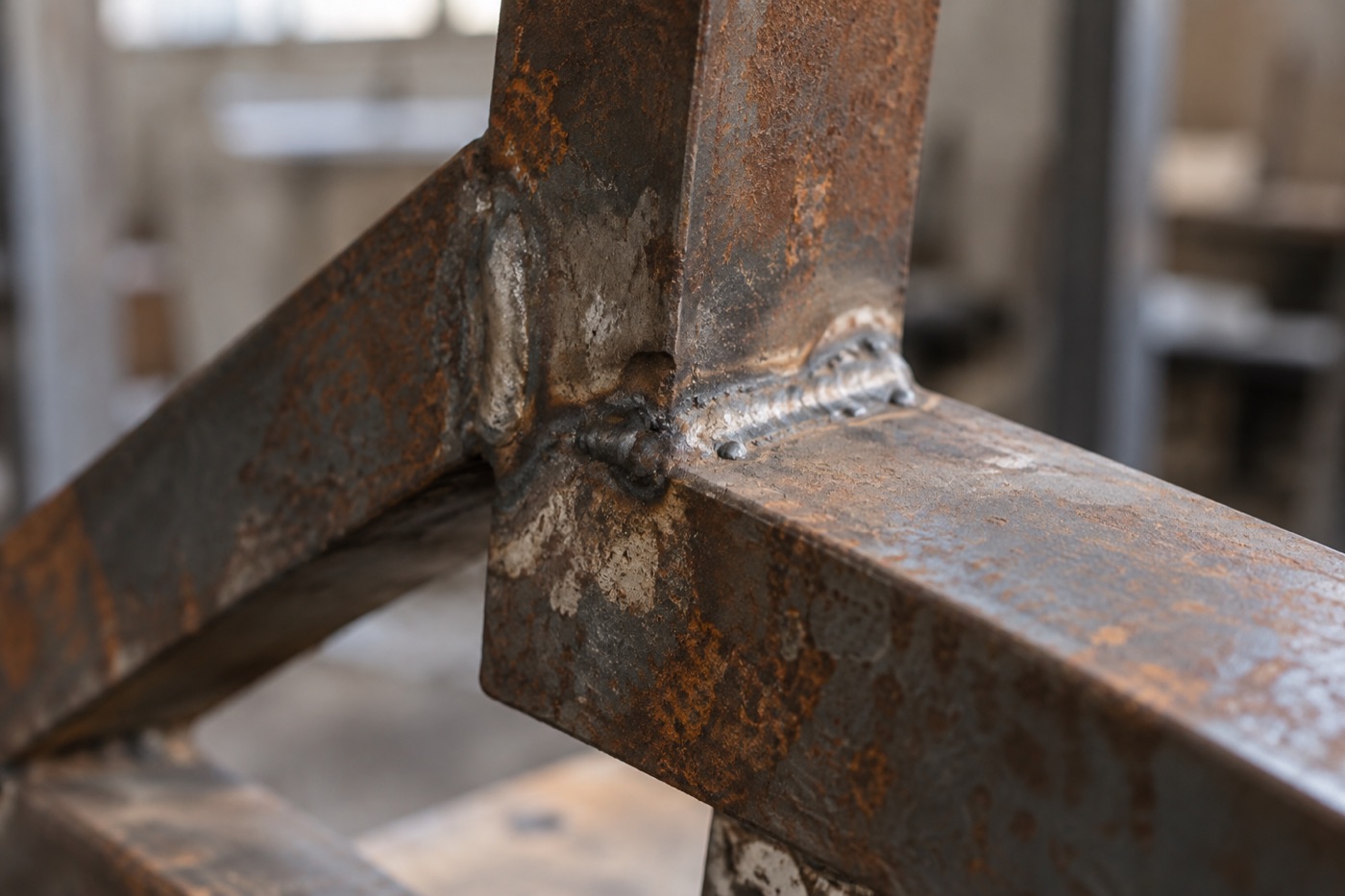
This is analysis, not a reported interview. AI-assisted drafting and original generated editorial artwork were reviewed for publication; the artwork does not depict a documented event.