A draft is not merely imperfect prose waiting to be polished. It is where a writer discovers what they know, what they have assumed, and what still needs reporting. A generated draft can provide structure quickly, but its fluency can disguise unsupported transitions. The sentence reads as if an argument has been made even when the evidence has not arrived.
One useful workflow reverses the usual order. Start with notes, sources, questions, and a provisional claim written by the person responsible for the piece. Ask a tool to identify gaps, propose alternative outlines, or point to repeated sections. Then verify every factual statement against the original material. The tool can challenge a draft without becoming its uncredited witness.
For a personal essay, the writer’s experience and memory are part of the source. For reported work, interviews and documents are. The generated text has neither unless a human supplies and checks them. That is why a polished paragraph is not evidence of a researched story.
Writers can use assistance without surrendering authorship. The practical standard is to know which claims you can defend, which turns of phrase you chose, and what would be lost if the tool were removed.
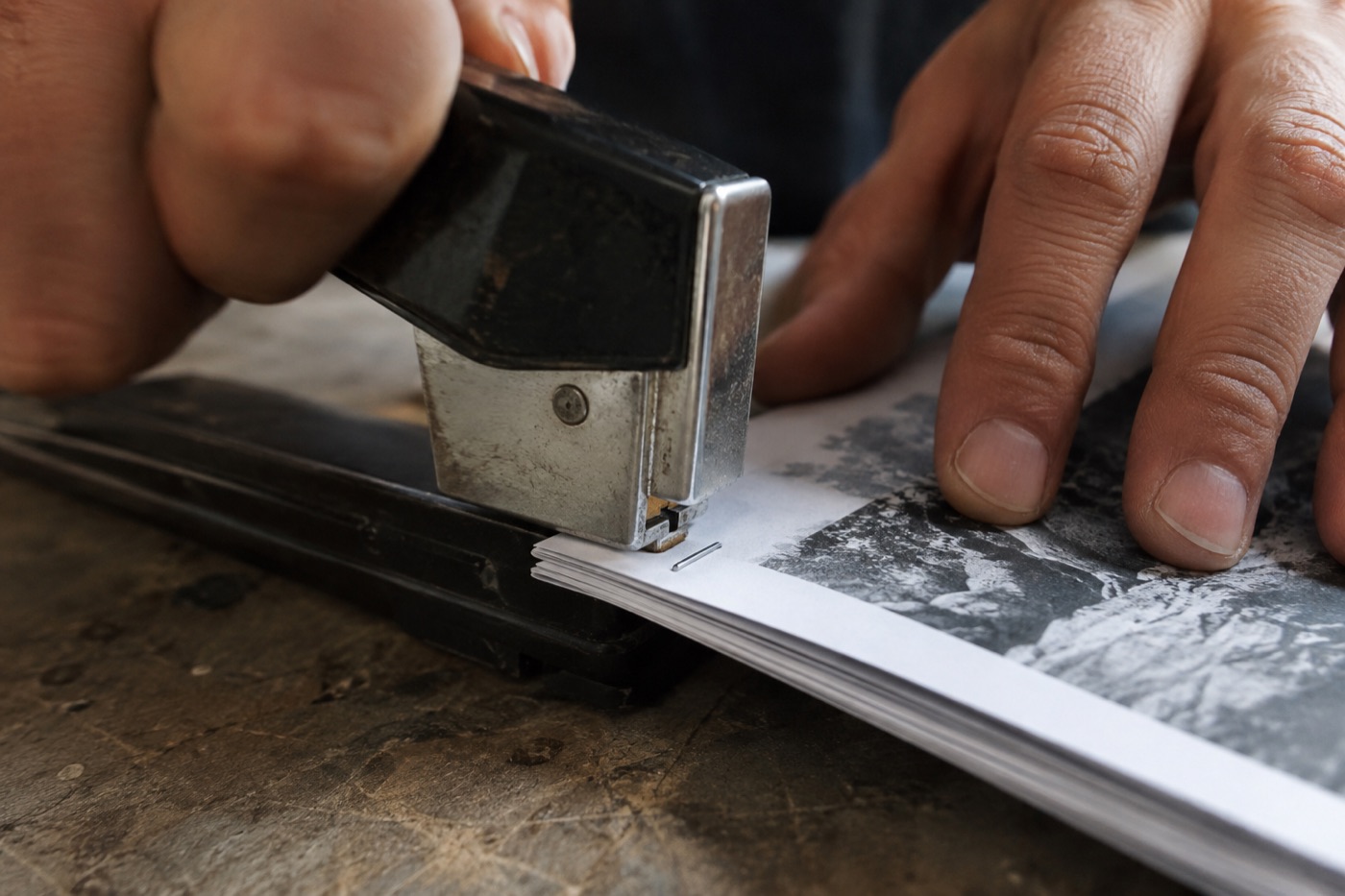
This is analysis, not a reported interview. AI-assisted drafting and original generated editorial artwork were reviewed for publication; the artwork does not depict a documented event.